
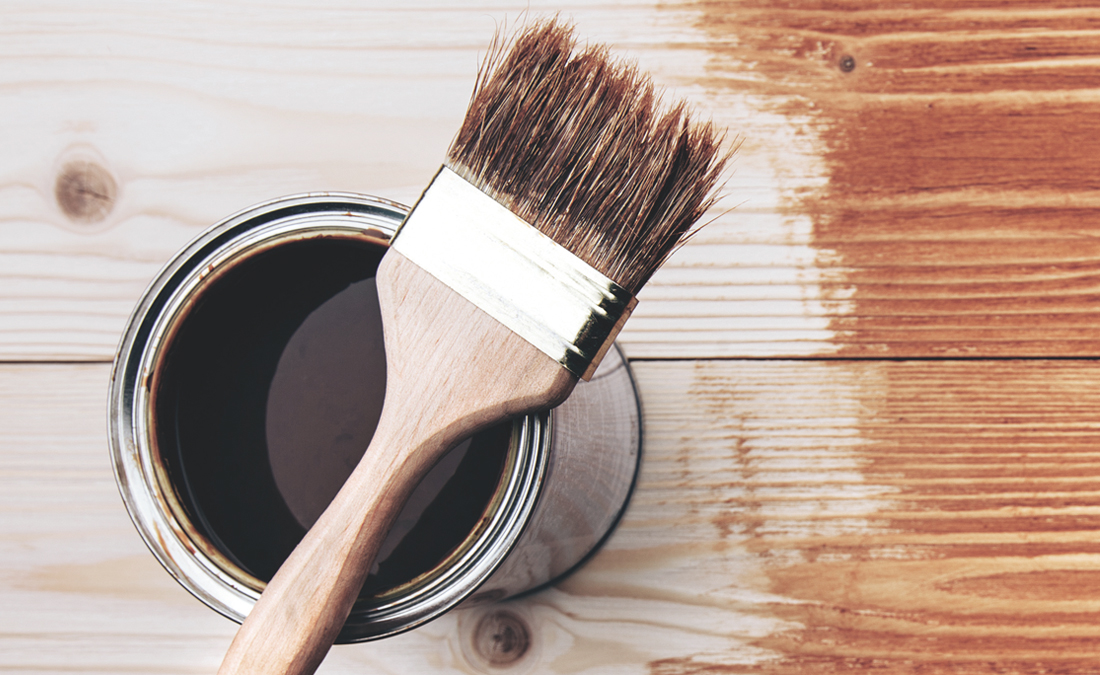


Wood Oil vs Wood Stain: Understanding the Difference
Though often confused, wood oil and wood stain serve different purposes. A wood oil (like linseed oil) sinks into the surface to nourish and enhance the wood grain, keeping it hydrated and rich in appearance. On the other hand, a wood stain penetrates and adds pigment, altering the colour while still allowing texture to show through. Choosing between an oil based stain or a water based wood stain depends on the finish, depth of colour, and durability you need for your wooden surfaces.
Penetrating Wood Oils: Benefits and Considerations
Penetrating oils, such as teak oil or linseed oil, absorb into the wood rather than sitting on the surface. These oils help prevent drying and cracking, especially in outdoor wood exposed to sun damage or rain. However, they offer limited colour change and may need reapplying every year or two, particularly if exposed to weather damage or direct sunlight. For surfaces like garden furniture or decking, regular care is essential for keeping the wood looking fresh and hydrated.
Pigmented Wood Stains: Colour and Extra Protection
A pigmented wood stain offers more than just colour – it helps shield the wood from UV rays and moisture. Whether you're aiming for a rich dark oak, light birch, or mid-tone oak finish, the pigment acts as a protective layer without covering up the wood grain. Our oil based wood stains and water based options are specially formulated to enhance the look of both soft and hardwoods while offering extra protection from the elements.
Exterior Wood Stain: Protection Against Weathering
For exterior wood, using the right wood stain is essential. Promain’s products are built to resist weathering elements – including moisture, temperature swings, and UV damage. Our Decking Oil & Decking Stain range includes finishes that offer slip resistance, colour retention, and strong adhesion on everything from cladding to outdoor furniture. These exterior wood stains are made to handle regular wear and stand up to rain, wind, and sun damage.
Oil Stain for Furniture: Add Warmth and Durability
Whether you’re restoring a dining table or bringing life back to an old wooden chair, an oil based wood stain is ideal for staining wood while keeping the natural wood look intact. These products soak into the surface, highlighting texture while offering durable colour. They’re perfect for furniture that sees frequent use but needs a refined, natural finish. For heavier-duty items like tables or benches, consider sealing with a varnish or wax for extra protection.
Choosing the Right Furniture Wood Stain for Everyday Use
Wooden furniture in homes deals with spills, knocks, and changing indoor climates. The right furniture wood stain helps avoid peeling, fading, or staining from drinks and food. We always suggest testing the stain on a hidden patch first. Products in our Wooden Floor Oils or Floor Oil & Floor Varnish section often suit furniture as well, especially where strength and colour retention are needed.
Outdoor Wood Stain for Decking and Garden Features
Decks, fences, pergolas, and other outdoor wood structures need a wood stain that withstands both moisture and physical wear. Our decking oil and decking stain selection includes products that resist scuffs while giving you rich colour options like walnut, mahogany, or oak. Whether you're coating garden seating or wooden walkways, these based wood finishes are made for UK weather.
Oak Stain and Popular Wood Stain Colours
A classic oak stain never goes out of style – it suits most wood types and blends well with both modern and traditional interiors. For more contrast, consider a darker tone like dark oak or walnut. Promain’s stock includes a wide range of wood stain shades, helping you match or contrast existing decor, or transform tired wooden surfaces with a fresh coat.
How to Apply Wood Stain: Step-by-Step Guide
To achieve a smooth, professional result when staining wood:
- Sand the surface to remove old finishes, dirt, or dust
- Wipe down using a mineral spirit to clean
- Use a cloth, pad, or brush to apply wood stain evenly
- Let it soak in, then wipe off the excess
- Allow to dry fully, then seal with a wax or varnish for extra protection
This simple process avoids patchy results and gives you more control over the colour and finish.
Can You Stain Furniture? Restoration Tips
Yes, you can re-stain or refresh wooden furniture with the right prep work. Strip away any old paint or finish, sand back to expose open grain, and test a small patch first. For richer tone and depth, some users start with a lighter based wood stain before layering darker colours like mahogany or dark oak. Use water based options for quick drying or oil based stains for deeper absorption.
Applying Oil Over Stain: Compatibility Advice
Wondering if you can apply wood oil over a wood stain? It depends. Oil based wood stains that haven’t cured may prevent proper bonding. If you’re adding a wood oil on top, make sure the stain is fully cured, or sand the surface lightly before applying. Always check product guidelines and do a patch test to avoid poor adhesion or discolouration.
Will Oil Stain Wood?
Yes – but only when it includes pigment. An oil stain (not to be confused with pure wood oil) soaks into the surface and leaves a coloured effect. Pure wood oils like linseed oil will darken and enhance the natural grain, but won’t change the colour significantly. This difference matters when selecting between clear and coloured treatments.
Disadvantages of Oil Finish on Wood
While oil finishes look natural and bring out the wood grain, they do have downsides:
- Require more frequent reapplication
- Offer less scratch resistance than paint or varnish
- Limited colour range unless combined with pigments
- In high-traffic or exterior wood uses, may not hold up without an added topcoat
For areas exposed to constant wear, UV, or rain, sealing over the oil can help with long lasting protection.
Caring for Oiled and Stained Wood Surfaces
To maintain the look and protection of treated wood, reapply your wood oil or stain every 1–3 years, depending on weather and exposure. Clean surfaces gently, avoid harsh scrubbing, and keep items out of direct sunlight where possible. For exterior wood, an occasional top-up or fresh coat can prevent fading and extend the life of your finish. Browse our Exterior Paints & Stains or Fence Stain categories for compatible options.
Why Promain Is the Right Choice for Woodcare Products
With years of experience in woodcare, Promain stocks a full range of high-quality wood oils and wood stains. We supply trusted brands, offer expert advice, and deliver across the UK. Browse our linked sections — Exterior Paints & Stains, Fence Stain, or Wooden Floor Oils — to find finishes that suit your next job.
Ready to Treat Your Wood? Contact Our Experts
If you’re ready to protect and improve your wooden surfaces, we can help. Whether you're staining wood furniture, coating a decking area, or sealing a dining table, our technical team is on hand to guide you. For trade quotes, product help, or custom orders, get in touch today.
Frequently Asked Questions
Q: What’s the difference between wood oil and wood stain?
A: Wood oil penetrates and enhances the natural wood look without strong colour, while a wood stain adds pigment to adjust or deepen the tone.
Q: Can I apply wood stain over wood oil?
A: Usually not – oil may block stain adhesion. It's best to sand back the surface before applying a new stain. Always test first.
Q: Will oil stain wood?
A: Yes, if it's a pigmented oil stain. Natural wood oil will only darken and enrich the appearance, not colour it.
Q: What are the downsides of an oil finish?
A: They need regular upkeep, offer limited colour options, and aren’t as resistant to wear. For outdoor wood, sealing is often needed.
Q: How often should I reapply stain or oil outside?
A: Every 1 to 3 years depending on conditions and exposure. Weather damage, UV, and rain all affect how long the finish lasts.
Q: Can I use the same stain for indoor and outdoor wood?
A: Some are dual-use, but we suggest using exterior wood products for better resistance to weathering elements.