£9.95 delivery on orders excluding certain products & postcodes *

Structural Steel Paint
If you are looking for structural steel paint then make sure that you take a look at the wide range of products that we have available here at Promain. Our range of structural steel paint are perfect for use on structures that require extreme durability due to the harsh conditions that they are subjected too and they also have a life expectancy of 25 years so you can be sure that they are high performance products that are definitely a value for money. Here at Promain we would only ever make sure that we stock the very best products from only the most trusted manufacturers in the business who we know constantly provide the very best products possible when it comes to structural steel paint.
Shop By
Filter by
-
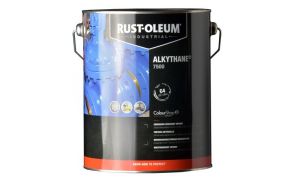 Rustoleum 7500 Alkythane GLOSS
Lead Free low temperature anti-rust, corrosion resistant, top coat suitable for metal & plastic.
-
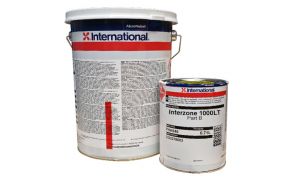 International Interzone 1000 LT
A very high solids, low VOC, 2 pack high build epoxy containing a high level of chemically resistant glass flake.
-
 International Intertuf 16
A 1 pack, high build bituminous product. For use behind linings / cofferdams. Protects enclosed steel. Highways Agency No141.
-
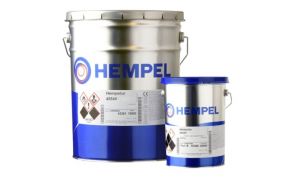 Hempel Hempadur Multi-Strength 45540
A two component pure epoxy paint which cures to an abrasion and corrosion resistant coating.
-
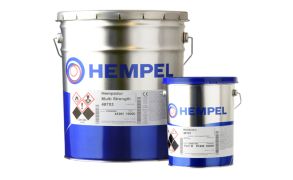 Hempel Hempadur Multi-Strength 45753
A self-priming, 2 pack, high build, pure epoxy paint which cures to an abrasion and corrosion resistant coating.
-
 Jotun Penguard WF
A 2 pack water borne epoxy coating for corrosion protection. For short dry to handle and over coating times requirements.
-
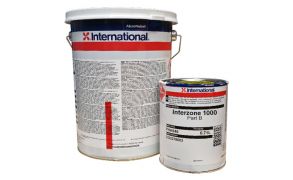 International Interzone 1000
A very high solids, low VOC, 2 pack high build epoxy containing a high level of chemically resistant glass flake.
-
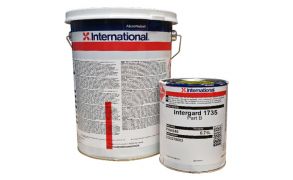 International Intergard 1735
A high performance, low VOC, water borne 2 pack epoxy with a high gloss finish for structural steel and concrete floors.
-
 Sherwin Williams Macropoxy C402V2 Primer - Formerly Leighs Epigrip
A high build, 2 pack, anti-corrosive, zinc phosphate primer / build coat. For carbon steel. LUL, M24, N20, M20 approved.
-
 Sherwin Williams Macropoxy G280 - Formerly Leighs Metagard G280
A 2 pack zinc free epoxy temporary protective coating for steel surfaces prepared by abrasive blast cleaning.
-
 Sherwin Williams Transgard TG111V2 - Formerly Leighs
A high build, 2 pack epoxy, zinc phosphate primer buildcoat for the anti corrosive protection of carbon steel surfaces.
-
 Sherwin Williams Macropoxy C123 - Formerly Leighs Epigrip C123
A high solids 2 pack epoxy, pigmented with glass flakes and anti corrosives for use on steel. Network Rail Item 7.2.3. Highways Agency Item No.123
-
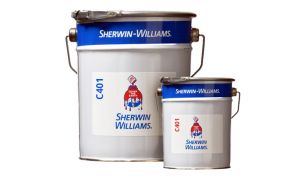 Sherwin Williams Macropoxy C401 MIO Undercoat - Formerly Epigrip
A 2 pack epoxy undercoat, pigmented with MIO (micaceous iron oxide). Network Rail Item No. 7.2.2 and 7.1.7.
-
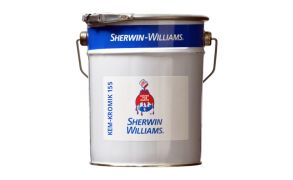 Sherwin Williams Kem-Kromik 155 Alkyd Primer - Formerly Leighs M155
A quick drying alkyd anti corrosive primer pigmented with zinc phosphate for the protection of steel.
-
-
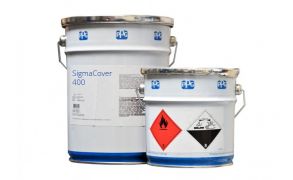 PPG SigmaCover 400 / Amerlock 400
A self-priming coating for steel and concrete. Formerly PPG SigmaCover 640 / Amerlock 400C.
-
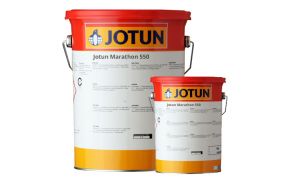 Jotun Marathon 550
A 2 pack structural steel and piping coating that will continue to cure while immersed.
-
-
-
-
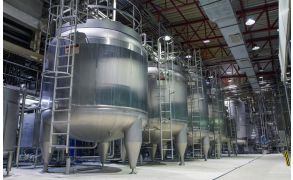 International Ceilcote 242 Flakeline
A flake filled vinyl ester coating offering outstanding chemical resistance and a quick return to service.
-
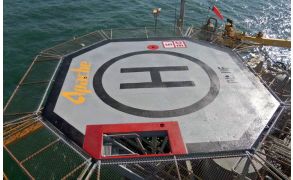 International Interzone 485
A high volume solids, 2 pack catalysed epoxy, capable of being applied up to 3000 microns DFT on marine decks.
-
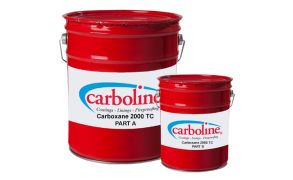 Carboline Carboxane 2000 Topcoat
An advanced isocyanate free topcoat with outstanding high gloss and colour retention for exterior exposures.
-
 Centrecoat Fast Dry Gloss Rust-Inhibiting Paint
Mould and algae resistant - fast drying at low temperatures. Ideal for railings, lighting columns, street furniture, etc.
-
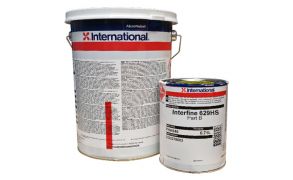 International Interfine 629HS
A low VOC, high performance, two component, isocyanate free cross-linking acrylic finish.
-
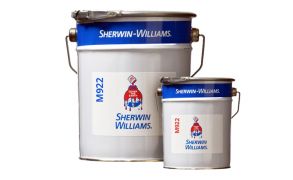 Sherwin Williams Macropoxy M922 - Formerly Transgard TG123 Epigrip
Epoxy with glass flakes for blast-cleaned and protected steel.
-
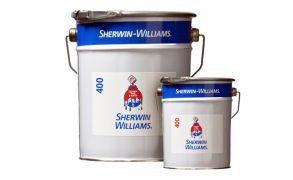 Sherwin Williams Macropoxy 400 - Formerly Leighs Epigrip C400V3
A multi functional epoxy coating suitable for the protection of steelwork in a range of exposure environments from C1 to C5.
-
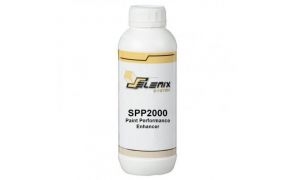 Selemix SPP2000 Paint Performance Enhancer
Combine to any compatible Selemix topcoat to improve water repellence, dirt pick up and graffiti resistance.
Out of stock