
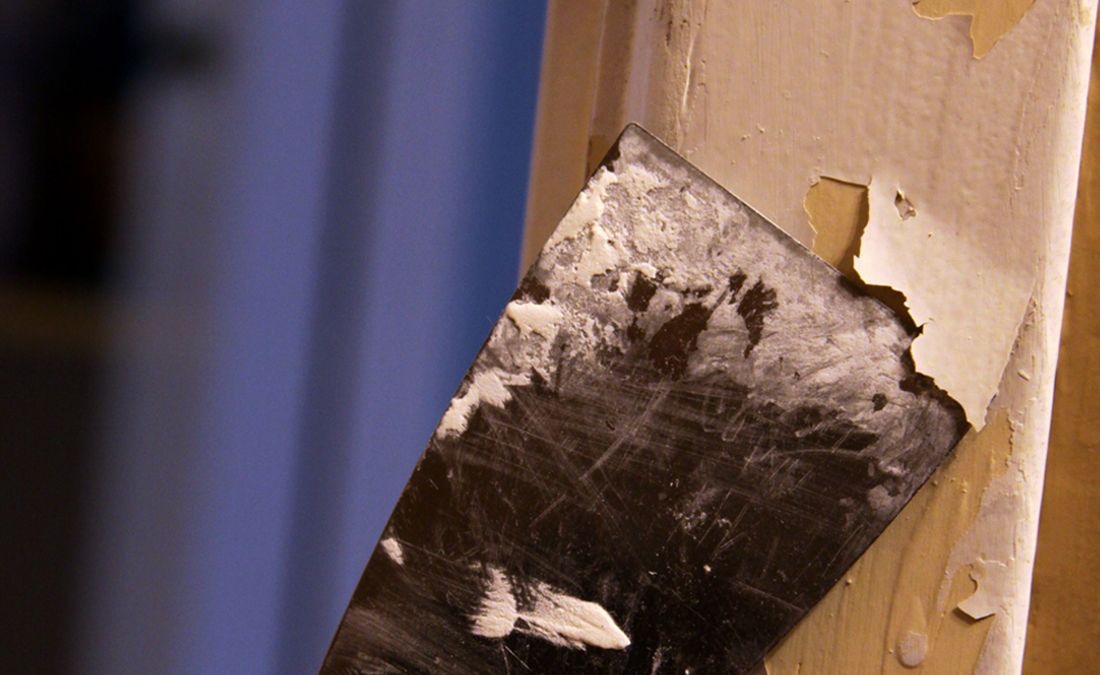
Strip Paint
When it comes to DIY projects, one of the most crucial steps is stripping paint from surfaces to reveal the underlying material. This process can be challenging, especially when dealing with multiple layers of paint or varnish. A paint stripper, also known as a paint remover, is a solution specifically designed to break down the chemical bonds of the coating, making it easier to remove. There are various types of paint strippers available, including solvent strippers, heat guns, and varnish removers. In this article, we will explore the best paint strippers for DIY projects, including furniture restoration and heat gun techniques.
Understanding Paint Strippers
Paint strippers are used for removing paint, varnish or coatings from most surfaces like wood, metal, concrete or fibreglass. Whether you're stripping furniture, sanding door frames, or cleaning up skirting boards, choosing the right product saves time and helps protect the underlying surface. Some strippers work best on thick coat build-up, while others are better for small areas or wood veneers that need a gentler touch.
Understanding Paint Strippers
Paint strippers are used for removing paint, varnish or coatings from most surfaces like wood, metal, concrete or fibreglass. When dealing with large pieces of furniture, it's important to choose a paint stripper that can handle the bulk of the piece effectively. Whether you’re stripping furniture, sanding door frames, or cleaning up skirting boards, choosing the right product saves time and helps protect the underlying surface. Some strippers work best on thick coat build-up, while others are better for small areas or wood veneers that need a gentler touch.
Types of Paint Strippers
Chemical-Based Strippers
Chemical-based paint removers work by breaking the chemical bonds between the coating and the surface. Some chemical-based strippers require several hours to effectively penetrate and remove multiple layers of paint. They’re effective at removing multiple layers in just one application. Ideal for large projects, but due to strong solvents, make sure you’re in a well ventilated area and wearing proper protection.
Biochemical Strippers
These use plant-based liquids like citrus or soy oil. They’re safer for indoor use and on sensitive surfaces, like older furniture or window frames, but they can take longer to soften all the paint. A good option when working on varnish removers or where solvent strippers are too harsh. When using heat guns in conjunction with biochemical strippers, ensure the tool has a built-in stand to cool off safely after use.
Caustic-Based Strippers
This option is strong enough to handle thick layers of oil based paint or gloss coatings. They’re best for surfaces that can withstand harsh treatments, such as concrete, metal, or doors with many layers of old paint. Be cautious when using on wood or small decorative areas. However, be aware that caustic-based strippers can be messy to work with, so proper precautions should be taken.
Choosing the Best Paint Stripper
Choosing the best paint stripper for your DIY project can be overwhelming, given the numerous options available. When selecting a paint stripper, consider the type of surface you are working with, the number of paint layers, and the desired outcome. For example, if you are working with wood veneers, you may want to opt for a gentle paint stripper that won’t damage the surface. On the other hand, if you are dealing with lead-based paint, you may need a specialised paint stripper that can safely remove the paint without releasing toxic fumes. Some popular paint strippers include solvent-based strippers, heat guns, and eco-friendly options like citristrip.
Applications
Paint Stripper for Wood
For stripping paint and varnish from wood, especially around skirting boards, door frames or furniture, use a stripper that doesn’t damage wood veneers or soak into the grain. Products with a gel texture are easier to control on vertical surfaces and won’t run or drip over the whole surface.
These products are ideal for those looking to restore old wooden furniture to its original beauty.
Paint Stripper for Metal
Metal needs a paint remover that cuts through layers quickly but won’t corrode or pit the surface. Solvent strippers work well here, especially on window frames or door hinges where mechanical methods aren’t practical. Always test a small patch before doing the full job.
Boat Paint and Marine Stripping
Marine paint often includes tough anti-fouling coatings. You'll need something strong enough to strip paint but gentle enough for fibreglass or wood. These jobs often involve multiple layers over a large square metre area, so a gel-based option helps reduce waste and offers excellent results.
Furniture Restoration
Furniture restoration is a popular DIY project that often requires stripping paint or varnish from surfaces. When restoring furniture, it’s essential to choose a paint stripper that is suitable for the type of material you are working with. For example, if you are restoring a wooden chair, you may want to use a paint stripper that is specifically designed for wood surfaces. Some popular paint strippers for furniture restoration include Minwax, Citristrip, and Smart Strip. These products are gentle on surfaces and can help remove multiple layers of paint or varnish without damaging the underlying material.
Promain Products
Owatrol Marine Strip
This powerful gel-based paint remover is suitable for boats, furniture, wood, metal and fibreglass. It removes up to 8 paint layers in one application and sticks well to vertical surfaces. Safe for lead based paint and doesn’t dry out too fast, even in warm weather.
Its thick paste consistency ensures it adheres well to surfaces, making it highly effective for removing multiple layers of paint.
DSP 800 Paint Remover
A high-strength paint and varnish remover designed for use on wood, concrete, metal and plastic. Works well on stains, gloss and oil based paint. Clings to the surface and softens coatings quickly. Ideal for small areas or large projects needing precise results.
This product has been rigorously tested to ensure it delivers excellent results on a variety of surfaces.
Usage Tips
How to Apply Paint Strippers
-
Clean the surface to remove dust or dirt and wash away loose paint flakes.
-
Use a brush or roller to apply the liquid evenly.
-
Cover the surface with plastic wrap to reduce evaporation and speed up stripping.
-
After the waiting time, use a scraper to gently lift away the softened paint layers.
-
For thick or stubborn coatings, you may need a second coat or mechanical methods like a heat gun.
Heat Gun Techniques
Heat guns are a popular tool for stripping paint from surfaces, especially when dealing with thick coats or multiple layers. When using a heat gun, it’s essential to follow proper techniques to avoid damaging the surface or causing injury. Some tips for using a heat gun include working in a well-ventilated area, wearing protective gear, and keeping the gun moving to avoid overheating the surface. Heat guns can be used on various surfaces, including wood, metal, and plastic, making them a versatile tool for DIY projects.
Safety Precautions
-
Always wear gloves and goggles when handling solvent strippers.
-
Only strip paint in a well ventilated area.
-
Don’t forget to test on a hidden patch first, especially if you’re working with wood veneers or unknown coatings.
-
Follow the instructions carefully and avoid mixing with other products.
-
Ensure the surface is thoroughly washed with water after using the paint stripper to neutralise any remaining chemicals.
Tools for Paint Removal
-
Scrapers or putty knives for controlled removal on furniture and small areas.
-
Wire brushes help clean grooves or edges.
-
Heat guns work well for thick, older coatings but can scorch surfaces if misused.
-
Use sanding for final smoothing once the paint or varnish has been removed.
-
Heat guns can also be used for tasks involving plastics, such as bending or heat-shrinking.
DIY Projects
DIY projects often require stripping paint or varnish from surfaces, and having the right paint stripper can make all the difference. Whether you are restoring furniture, removing old paint from door frames, or stripping varnish from skirting boards, a good paint stripper can help you achieve excellent results. Some popular DIY projects that require paint strippers include removing paint from window frames, stripping varnish from wood surfaces, and restoring old doors. When working on DIY projects, it’s essential to choose a paint stripper that is suitable for the surface you are working with and follow proper safety precautions to avoid injury or damage. With the right paint stripper and techniques, you can achieve professional-looking results and complete your DIY projects with confidence.
FAQs:
What is the best thing to strip paint with?
A strong gel-based stripper like Owatrol Marine Strip works well for large jobs and thick coatings. For more delicate work or small surfaces, DSP 800 gives excellent results with less effort.
What is the best remover for paint?
DSP 800 and Owatrol Marine Strip from Promain are suitable for stripping multiple layers, whether you're working on varnish, gloss, or oil based paint. They cling to vertical surfaces and help avoid sanding or scraping too much.
What is the quickest way to strip paint?
Use a chemical stripper and cover it with plastic to speed up the process. For very thick layers, heat can be used, but take care not to damage the underlying surface. Just one application is often enough with a high-quality product.